New siding can make an old entry look more tired. New windows can draw attention to trim that still needs work. A rebuilt porch can feel disconnected if no one has thought about how it meets the house.
When you are considering a substantial exterior renovation, the individual products are only part of the result. The project also needs a plan for the places where those products meet.
These five mistakes can leave an exterior project feeling incomplete. Use the checklist below to discuss the full scope before approving an estimate.
1. Choosing a color before defining the work
It is easy to begin with siding samples or a new door style. First, decide what needs replacement, what needs assessment, and what should stay.
Make a list of siding, windows, doors, exterior trim, and the roof. Add the entry, porch, or deck if it is part of your plans. Note visible concerns and ask your contractor which conditions need closer investigation.
An attractive finish should follow an understanding of the existing home and the work required.
Better move: Create two columns: “condition to assess” and “appearance to improve.” Get both into the scope conversation.
2. Letting the project boundary end at the new product
“Replace the windows” does not explain what happens to nearby siding, exterior trim, or interior finishes affected by removal.
“Replace the siding” should lead to a discussion about openings, corners, penetrations, and the existing materials beneath it. What needs inspection? What is included if repairs are required? How will findings be documented and priced?
These details are easier to resolve in a written scope than during a conversation beside an open wall.
Better move: Ask, “What work is included around every opening and at every edge of this replacement?”
3. Treating roof, siding, and window plans as unrelated
Not every home needs all three replaced. But if you expect more than one major exterior project, disclose the full plan before work begins.
For example, if window replacement is planned soon after siding, ask how the two scopes should be coordinated. If roofing work affects nearby exterior details, identify who handles those connections.
The project lead should explain whether work belongs in one phase or separate phases, and how completed work will be protected. Bundling does not automatically produce savings; the benefit depends on the actual scope and sequence.
Better move: Share your likely exterior plans beyond the first job, then request a recommended sequence.
4. Forgetting the route into the home
The exterior is something you use every day. Think through the walk from the driveway or sidewalk to the front door. Where do you pause with groceries? How does the entry work for guests? What feels awkward now?
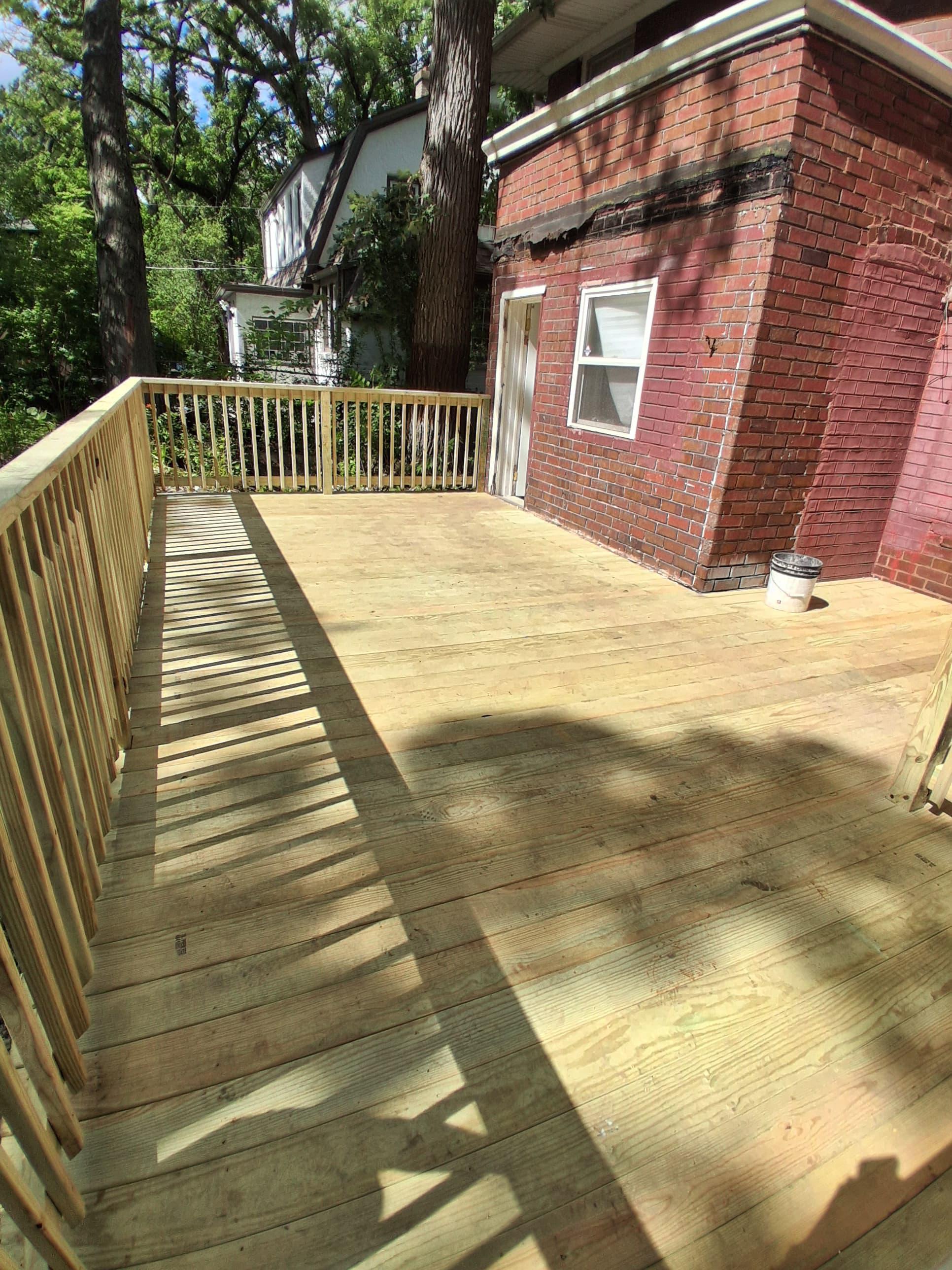
Lake & Oak Co.'s New Buffalo deck project included a pressure-treated wood deck and steps that created a wider, more usable outdoor entry. Our Chicagoland porch rebuild included new decking, stairs, and railing.
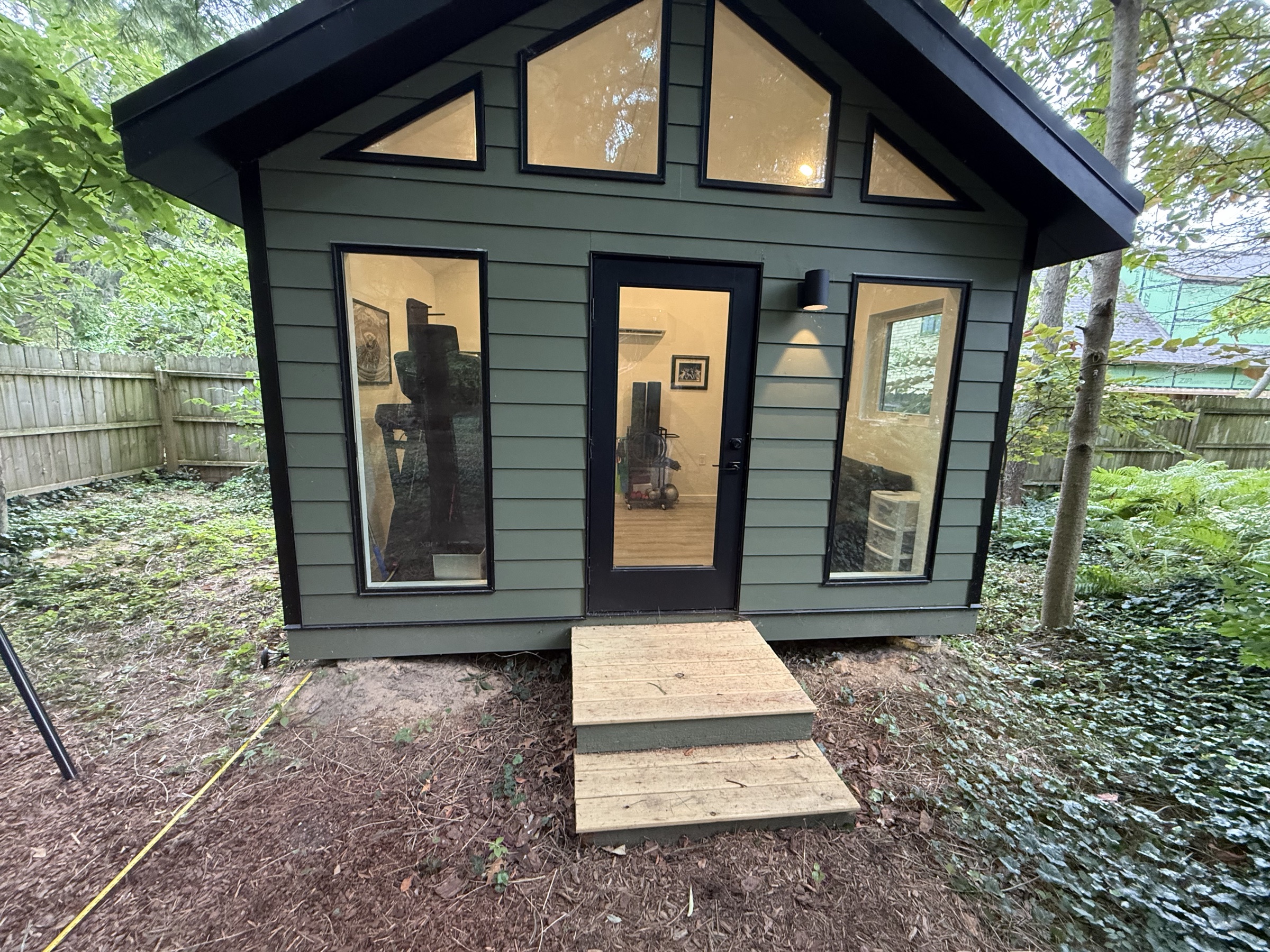
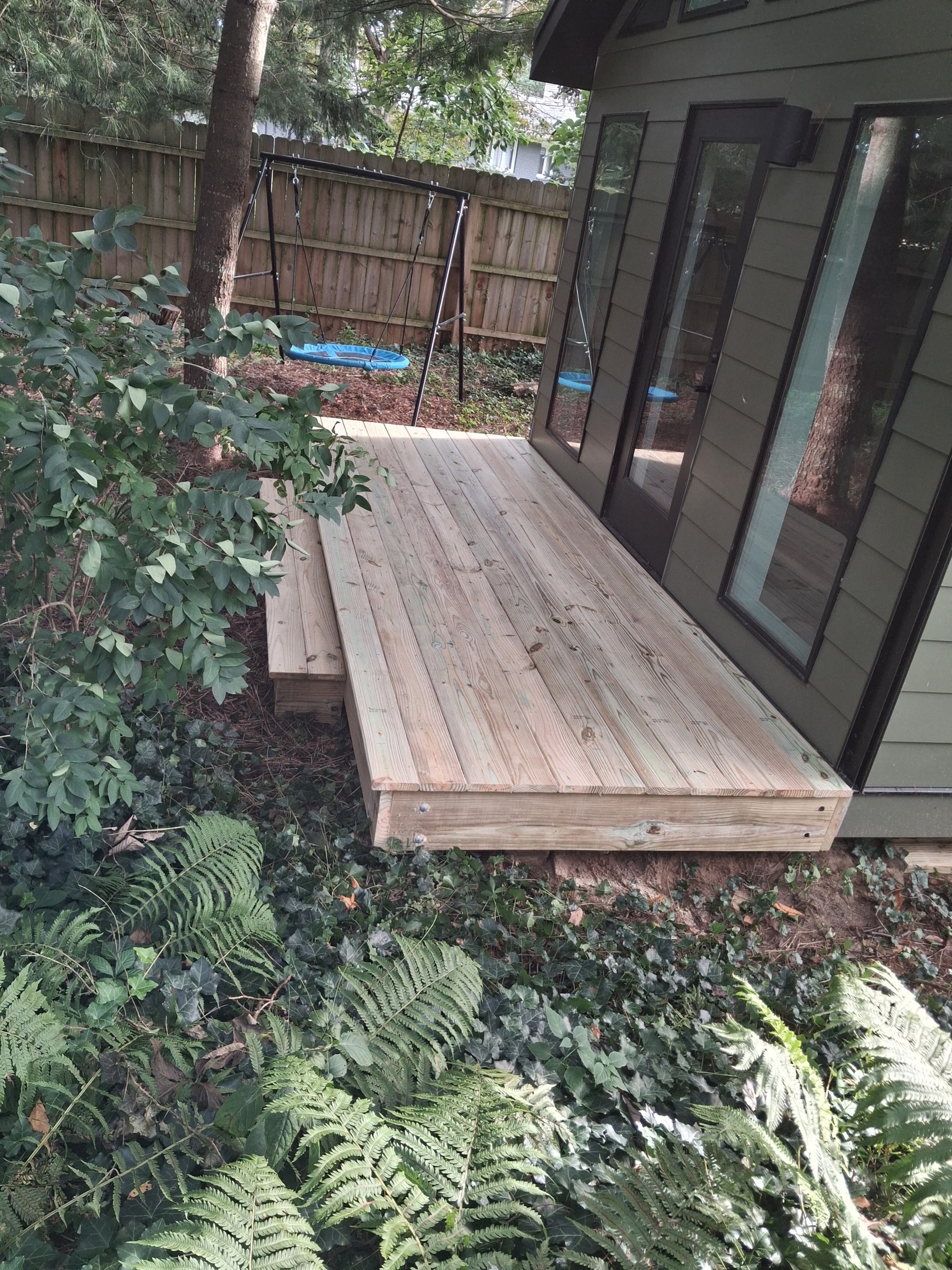
Those completed projects offer useful references for thinking about access alongside appearance. If deck or porch work is part of your plans, discuss its location and scope with us before assuming it belongs in the same project.
Better move: Describe one daily frustration with the existing entry and the improvement you want.
5. Comparing estimates only by the total
A lower total may reflect a smaller scope. A higher total may include preparation, removal, surrounding repairs, or finish details that another estimate leaves out.
Compare the work line by line. Look for specified materials, preparation, disposal, details at adjoining surfaces, exclusions, and the process for handling additional findings.
Ask who coordinates each trade, who communicates changes, and what the final walkthrough will cover. You should be able to explain what you are buying before signing.
Better move: Mark every unclear item “needs clarification” instead of assuming it is included.
Copy your exterior scope checklist
- The elements staying and changing are listed.
- Existing conditions that need assessment are identified.
- Materials and finish preferences are recorded.
- Work around windows, doors, corners, and adjoining surfaces is explained.
- Planned future work has been discussed with the project lead.
- Entry, deck, or porch needs are included where relevant.
- Removal, disposal, protection, and cleanup responsibilities are clear.
- Exclusions and the process for additional findings are documented.
- The scope identifies a point of contact and final walkthrough process.
Plan the exterior as a connected project
Lake & Oak Co. coordinates siding installation, window replacement, door replacement, and roof replacement for Chicagoland homes.
If you are planning several exterior improvements, request a free quote. Bring your checklist, location, priorities, investment range, and preferred timing to the follow-up conversation so we can discuss a scope that accounts for the whole exterior.